- Back to Species Explorer
Triticale
Grass
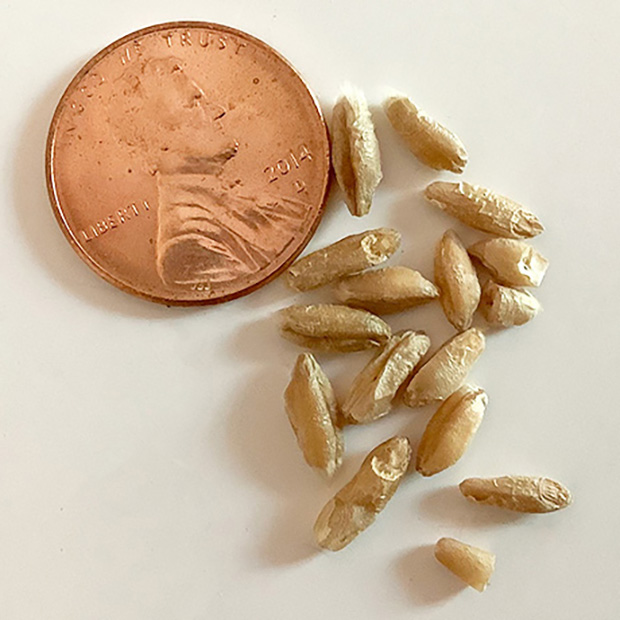
Image Source: 1
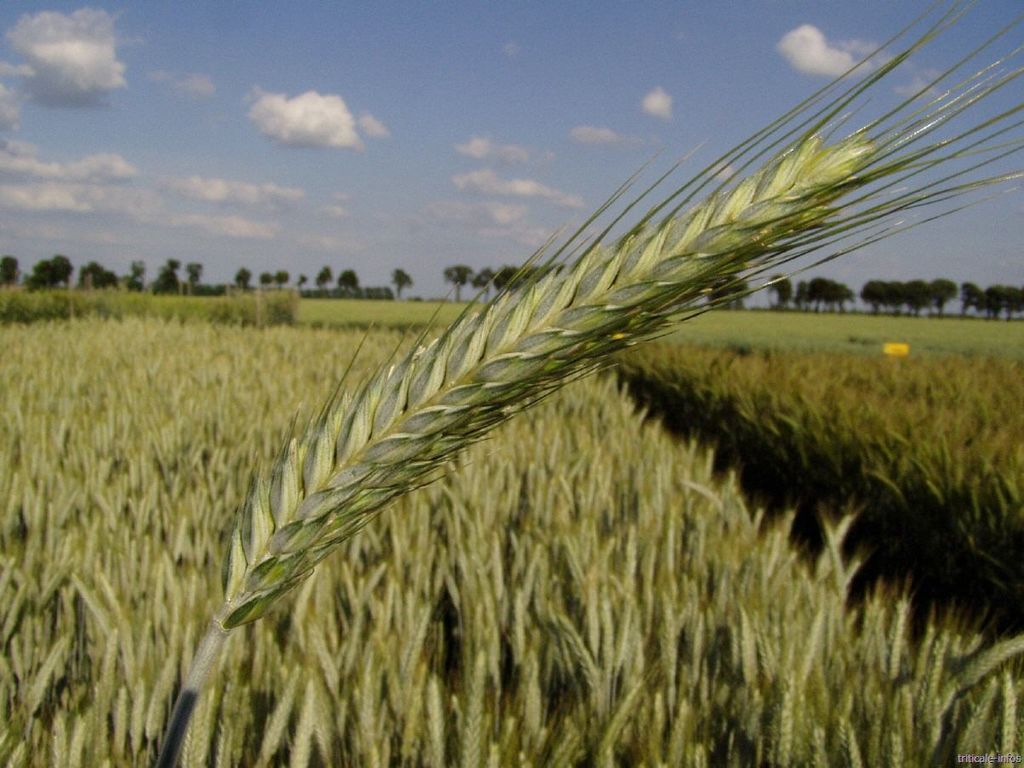
Image Source: 2
Estimated Cost
$0.36
($/lb)
Planting Window
Fall seeded, spring seeded
Best for
Improving infiltration
Alternate Species
Annual Rye, Winter Oats, Barley, Wheat
1. Tom Lawler 2021, Indigo Agriculture.
2. Cropped image of original derived from Hétérosis59's "épi de triticale" (own work) [CC-BY-SA-4.0 (https://creativecommons.org/licenses/by-sa/4.0/legalcode)], via Wikimedia Commons. Available at: https://commons.wikimedia.org/wiki/File:%C3%89pi_de_triticale.jpg
Seeding Detail
Triticale
80.0
Not Recommended
96.0
Additional Information
Why We Recommend This
Triticale is adapted to more environments than wheat but produces more biomass and higher quality forage. Triticale scavenges nutrients, reduces erosion, and has an allelopathic effect on weeds.
Things to Watch Out For
Triticale is more vulnerable to insects than cereal rye or wheat. It can become a weed if it goes to seed.
Neither Indigo nor any of its affiliates makes any representations, warranties or guarantees as to any specific results or outcomes, including, without limitation, with respect to soil health outcomes or any minimum amount of greenhouse gasses sequestered or number of carbon credits generated. Participation in Carbon by Indigo is subject to the terms, conditions and limitations of the program contained in the applicable enrollment agreement. Any payments under Carbon by Indigo are subject to multi-year vesting and are contingent on continued long-term maintenance of regenerative agricultural practices and soil carbon levels. All Carbon Credits generated are subject to buffer pool holdbacks required by third-party crediting; participants will not receive payments for such holdback. Not available in all areas.
500 Rutherford Ave, Boston, MA 02129 | 844.828.0240 | info@indigoag.com
© Copyright 2026 Indigo Ag, Inc.